

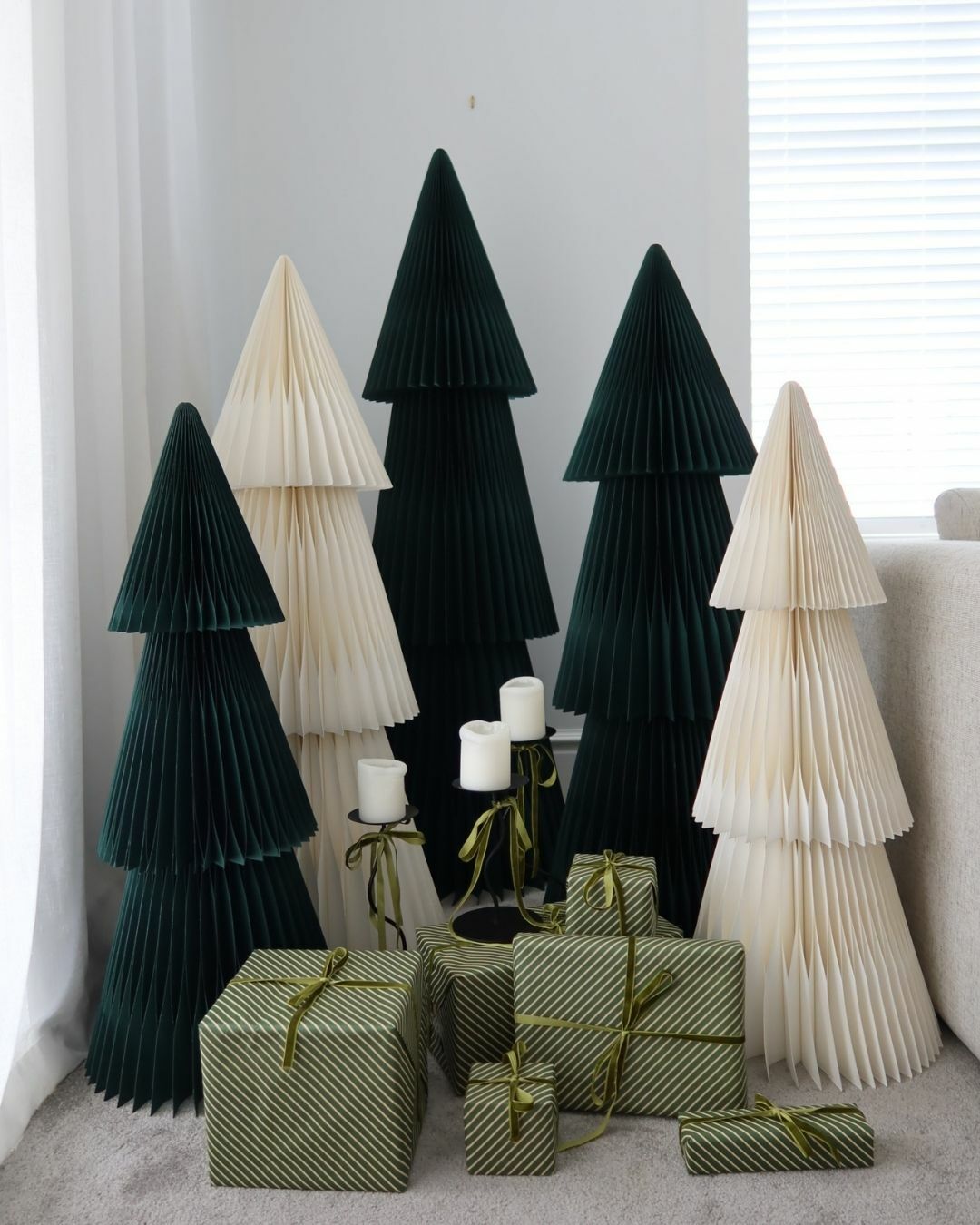


The Five Hobbies Theory for a Balanced Life
Somewhere along the way, hobbies became another thing to optimise.
A side hustle in waiting. A skill to monetise. A reason to feel behind. Even rest can start to feel strangely productive if we are not careful, measured by whether it made us healthier, calmer, more interesting, more successful, or more sorted than we were the week before.
So when I first came across the idea that we each need five hobbies, my first instinct was an eye roll. Five hobbies sounded like another neat little framework for people with more time, more discipline and better storage systems.
Then I read it properly, and it turned out to be the opposite.
The five hobbies theory is not really about doing more. It is about choosing well. The thinking goes that a full life asks five different things of us, and a single hobby rarely carries them all. One to keep us healthy. One to keep us creative. One to help us grow. One to keep us peaceful. And one to connect us to other people.
Five pillars, each supporting a different corner of the same life.
It is a beautifully simple idea, and a useful way to think about wellbeing. Not as something separate from ordinary life, but as something woven into it. The same way a room needs light, texture, softness, rhythm and function, a life needs different forms of nourishment. Too much of one thing, even a good thing, can leave the whole composition feeling slightly off balance.
We have written before about creating your own dopamine menu, a list of small, joy-filled rituals that help restore energy without the crash. The five hobbies framework sits beautifully alongside that idea. It is less about collecting activities, and more about asking a better question: what is this hobby doing for me?
So let us walk through all five.
One Hobby To Stay Healthy
This is the one most of us already have a complicated relationship with, because somewhere along the way movement got tangled up with discipline, body goals and guilt. But a hobby that keeps you healthy is not a punishment. It is permission to move in a way your body actually enjoys.
For some people that is Pilates or yoga. For others it is boxing, cycling, swimming, dancing, the gym, or a regular class that gives the week some shape. For many of us in Mount Maunganui, it is simply walking, often along the beach with the wind doing its best to talk us out of it.
The point is not intensity. The point is that movement becomes something you return to because it gives something back.

In winter, when the early dark makes the gym feel like a long way away, the lower-effort versions of this hobby earn their keep. A slow walk still counts. So does stretching by the window while the kettle goes. So does ten quiet minutes on the floor while dinner is cooking and the house is doing that slightly chaotic pre-evening thing.

This is why seasonal rhythm matters. Our post on Wintering Well explores the idea that winter does not have to be a season we simply push through. It can become a slower, softer container for the habits that keep us well.
A healthy hobby does not need to look impressive. It just needs to keep you in a relationship with your body that feels kind rather than corrective.
One Hobby To Stay Creative
This is the corner I am most protective of, because creativity is often the first thing to disappear when life gets busy and the last thing to be missed out loud.
Creativity is rarely urgent. That is exactly why it needs a designated place to live.
A creative hobby can be journalling, drawing, cooking, painting, sewing, photography, flower arranging, styling a shelf, learning to make pasta, or playing with fashion and colour simply because it feels good. It does not need an audience. It does not need to become content. It does not need to justify itself by becoming a business.
It only needs a little space, and ideally, the right tools within reach.
Friction is the quiet enemy of any creative practice. A journal tucked away in a drawer is much easier to ignore than one left open on the kitchen bench. A beautiful pen beside the bed invites a sentence. A recipe book on display turns a weeknight dinner into a small act of remembering.

The Recipes Journal in Oatmeal is a lovely example of this. It turns cooking from something you simply get through into something you can record, return to and eventually pass on. Not every creative hobby has to happen in a studio. Sometimes it happens at the kitchen bench, with a wooden spoon in one hand and a memory forming before you realise it.

A considered planners and journals setup can do the same for writing, sketching, noticing and planning. The object itself is not the hobby, of course, but it can lower the threshold. It can make beginning feel beautiful enough to repeat.

If you have been meaning to start something creative, begin by creating the conditions for it. Make the materials lovely. Make them visible. Make the act of starting almost effortless.
The hobby tends to follow.
One Hobby To Grow
Some hobbies are not especially restful, and they may not feel obviously creative either. They simply stretch us.
Reading. Writing. Studying. Learning a language. Listening to long-form interviews. Falling down a worthwhile podcast rabbit hole. Taking a short course. Practising something difficult and staying with it long enough to be bad before you get better.
These are the hobbies that keep us curious, and curiosity is one of the most underrated forms of self-care there is.
There is something grounding about being a beginner again, especially in a season of life where we are expected to have it all worked out. Growth hobbies remind us that we are still becoming. Still adding to ourselves. Still interested in the world.
Winter is the natural home of this one. The evenings are long, the weather gives us a generous excuse to stay in, and the house starts to feel less like somewhere we pass through and more like somewhere we can deepen into.
A stack of good books, a warm corner and a quiet hour can change the whole feeling of a season. If you are looking for somewhere to begin, Great Callings by Brianna Wiest is a thoughtful choice for this kind of growth hobby, written for anyone who keeps waiting for permission to start, and treating fear, distraction and the pull of outside approval as the things worth working through rather than around.
For a softer, more restorative kind of reading, All The Right Pieces by Nakeia Homer offers the sort of reflective pages that ask you to pause, underline, think and return, short prose and poetry about letting every season you have been through count for something. And if your growth hobby needs a little structure, the YOU. Wellbeing Planner & Daily Journal offers a six-month framework for intentions, habits, reflection and check-ins, helping turn the vague desire to grow into something visible, steady and easy to return to.

Growth does not always look like dramatic transformation. Sometimes it looks like reading three pages before bed. Writing one honest sentence. Learning the name for something you have felt for years.
Curiosity, it turns out, is easier to sustain when it has somewhere to live.
One Hobby To Stay Peaceful
If the growth hobby stretches you, this one softens you.
Meditation. Slow walks. Gardening. Time in nature. Quiet evenings at home. Candlelit baths. Sitting outside with a cup of tea and no phone. These are the hobbies that ask very little of you except your presence.

I think of this as the maintenance work of a calm mind.
We so easily fill every gap with stimulation, then wonder why rest never quite arrives. A peaceful hobby is a deliberate antidote. It is a small ritual that gives the day permission to slow down.
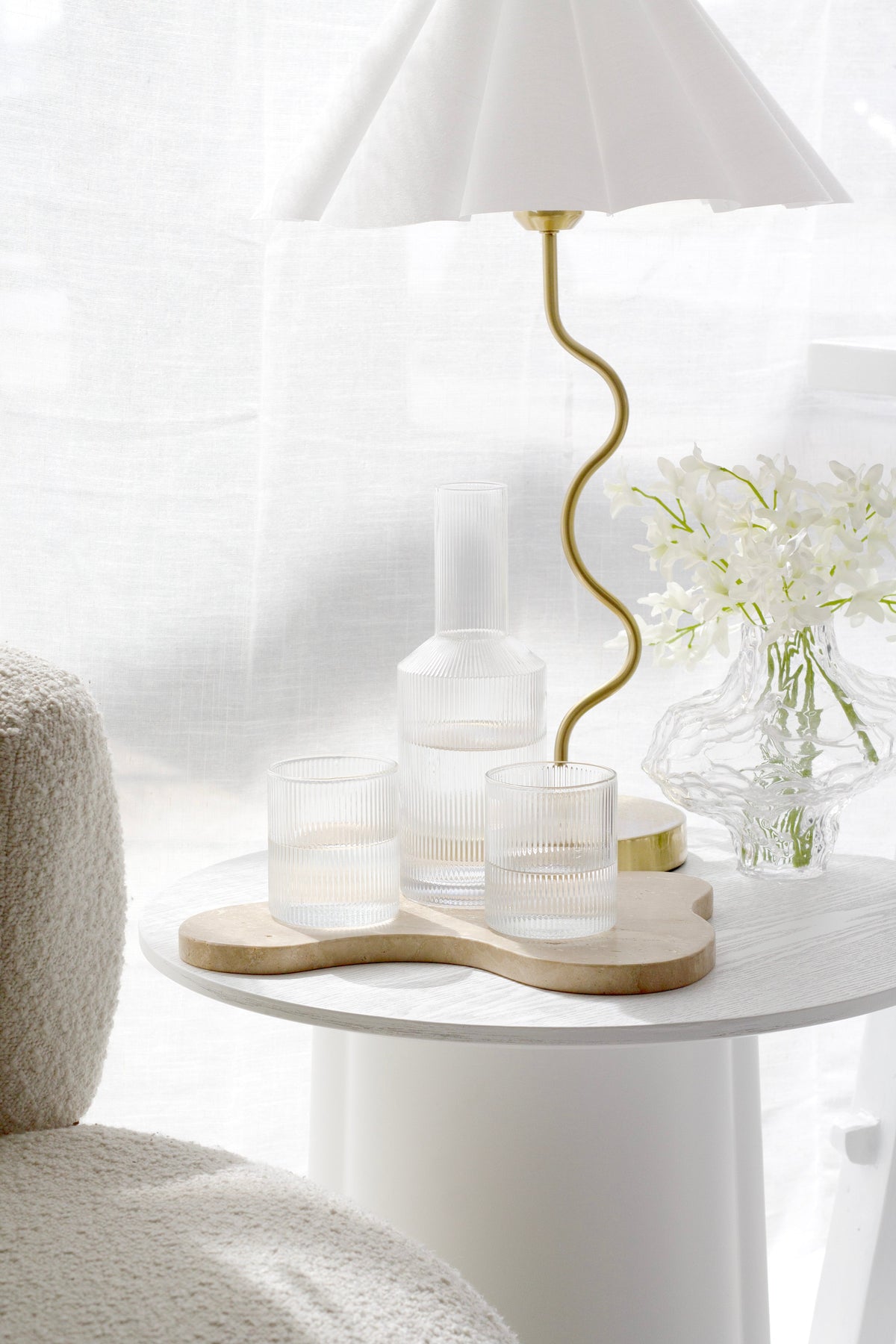
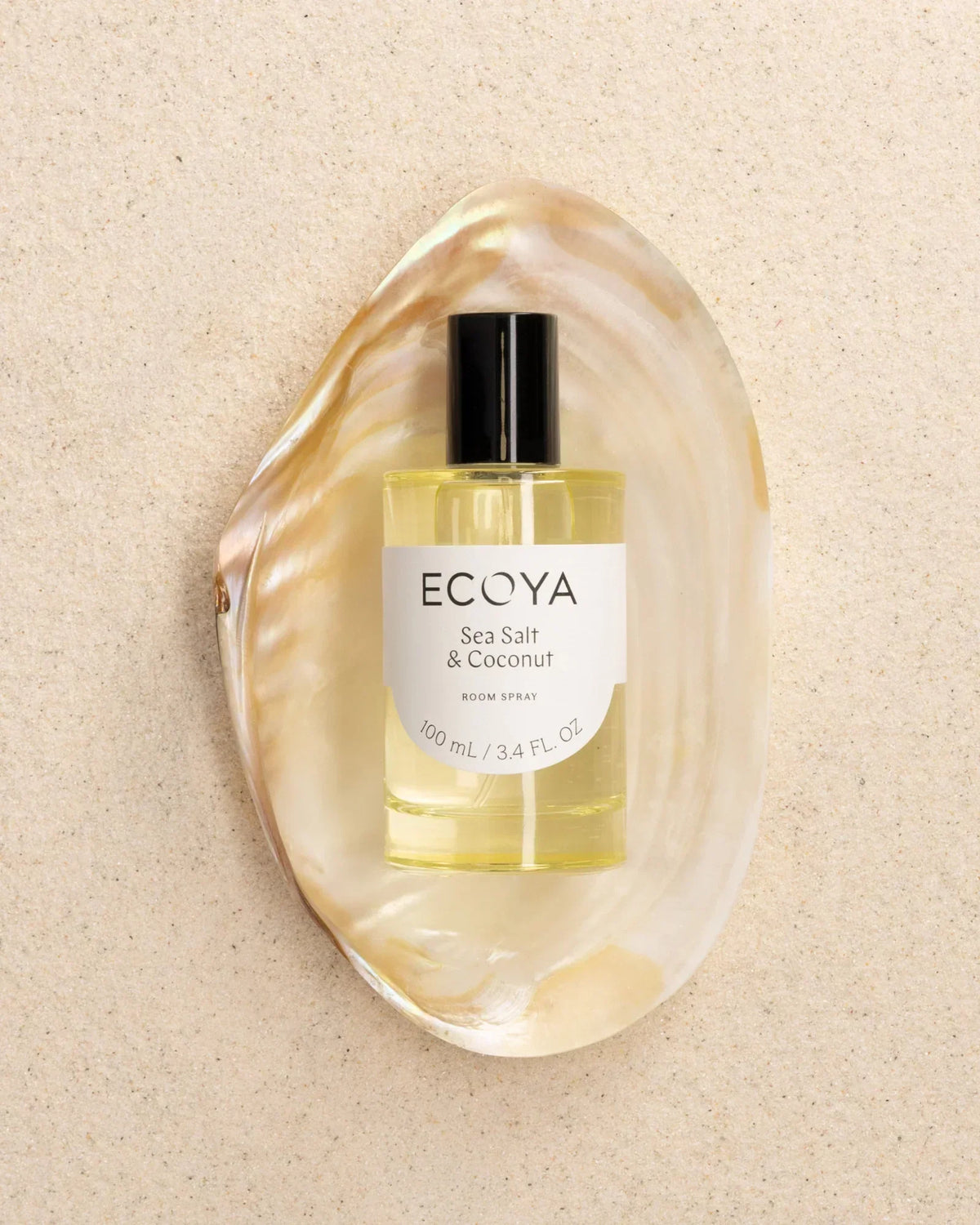
This is where the home itself becomes part of the practice. A quiet evening is far easier to sink into when the space supports it. Soft light instead of overhead glare. A slower scent. A visual cue that the work part of the day has ended and the evening part can begin.
Our post on Evening Anchors explores this idea more deeply: the small evening rituals that mark the day as complete. A peaceful hobby does not always need a lot of time. It often needs repetition, atmosphere and permission.
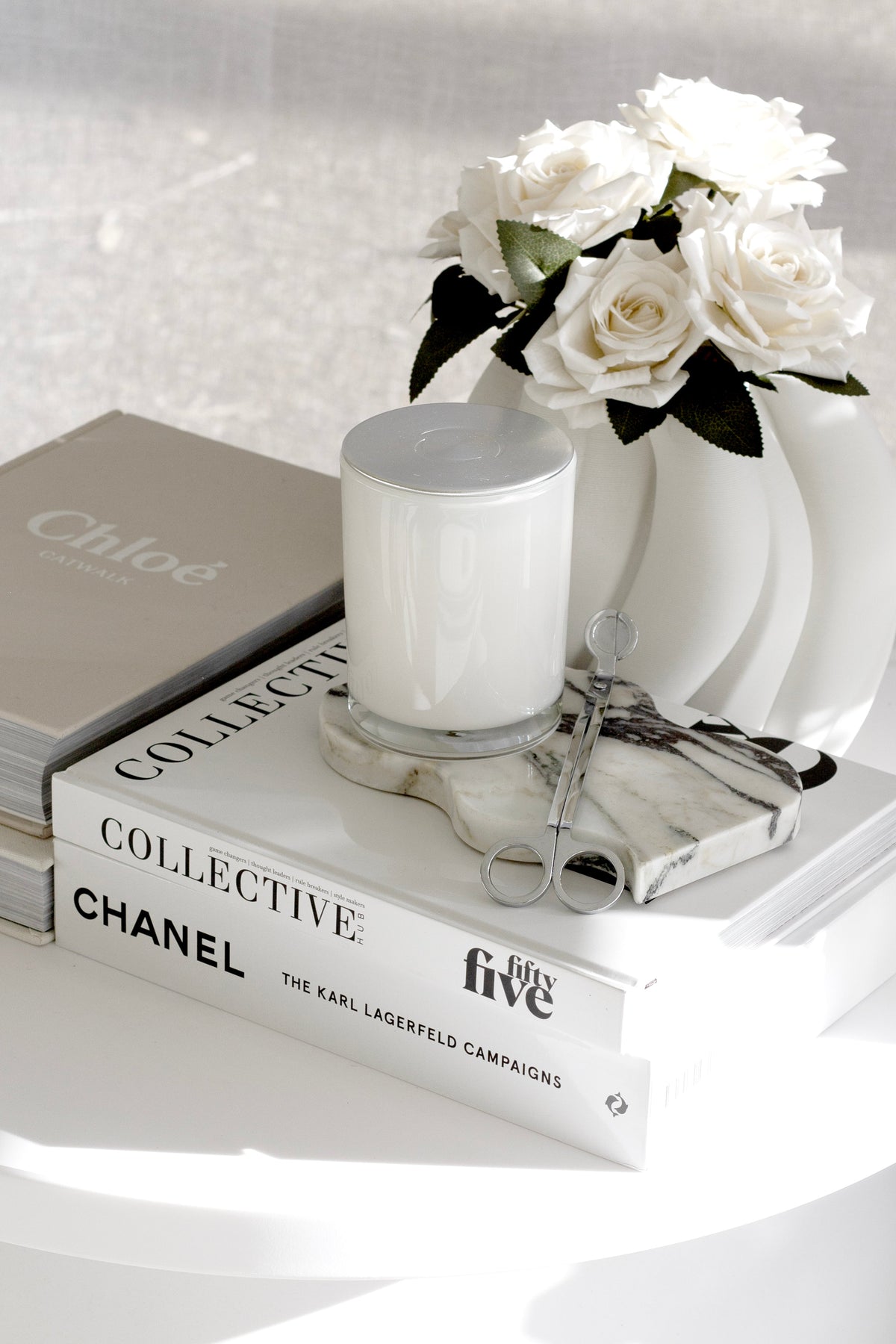
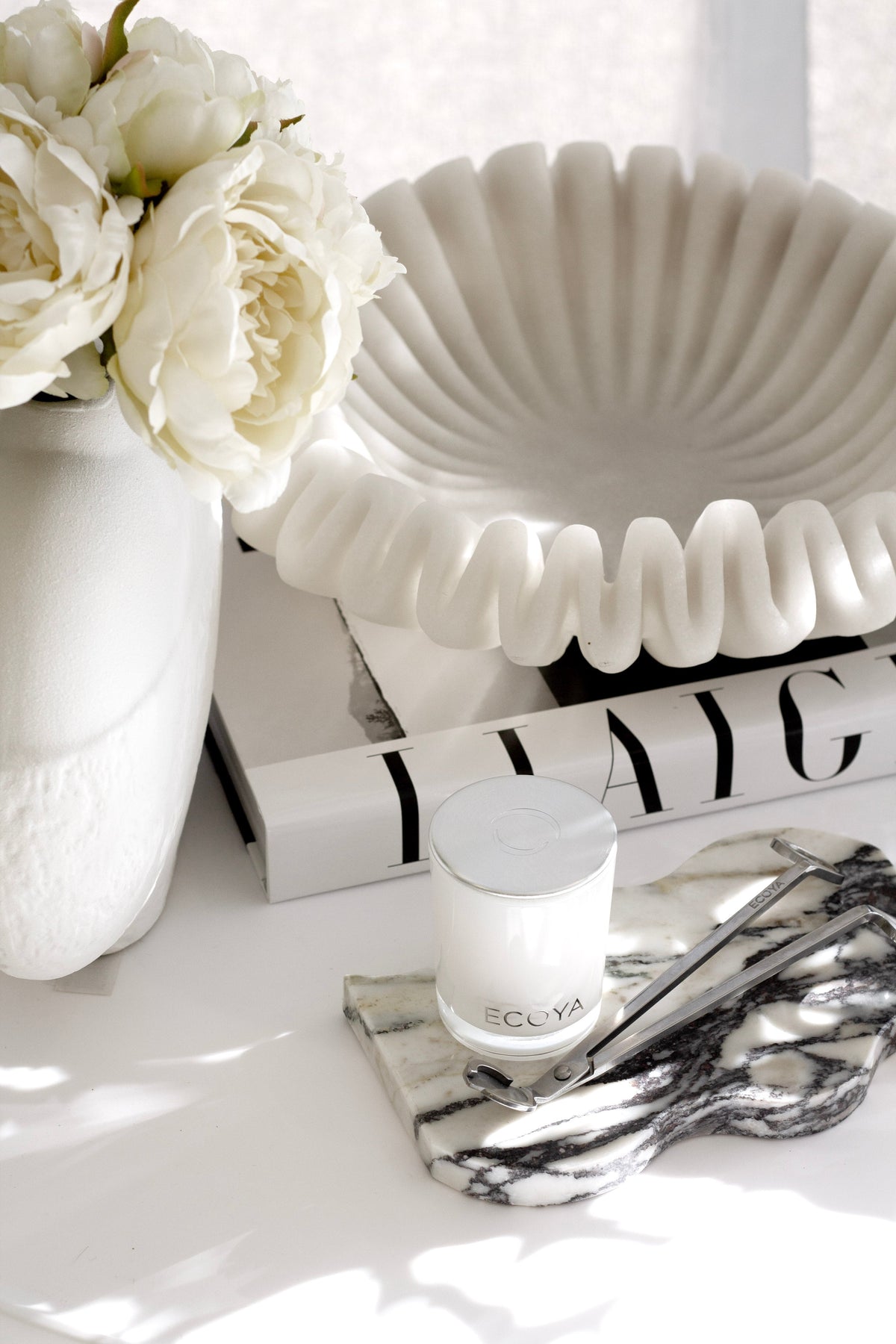
The Karlsson Frost Light Alarm Clock is lovely for this kind of gentle transition, especially on a bedside table where a soft glow feels far better than another bright screen. A favourite candle, such as the ECOYA Madison Jar Soy Candle, can become its own nightly signal when lit at the same time each evening.

We have written more about this in The Psychology of a Flame, because one small pool of light changes a room far more than its size suggests.
If you like a little nature inside but not another thing to keep alive, a single stem like the Ivory Austin Rose can soften a bedside, bathroom shelf or little reading corner without asking for water, pruning or the right spot in the sun. Which, in the depths of winter, is its own kind of peace.

This is not about making the house look perfect. It is about creating cues that make the evening easier to begin.
Making room for calm is not indulgent. It is part of the work.
One Hobby To Connect
The final pillar is the one we tend to outsource to chance, assuming connection will simply happen around the edges of everything else.
It rarely does.

A connection hobby is anything that reliably puts you in the company of other people. Travelling. Volunteering. Joining a club. Playing a team sport. Taking a class. Finding a wellness community. Hosting dinner. Meeting a friend every Friday morning. Walking with someone instead of catching up by text.
What matters is the rhythm.
A hobby that depends on other people gives connection a place in the calendar rather than leaving it to good intentions. It is also the antidote to the quiet isolation that creative, peaceful, home-based hobbies can accidentally create if we let them take over.
Connection does not always mean going out, either. Having people over is its own version of the habit, and often the easiest one to keep when life is full. A simple grazing board laid on the Dishy Compact Chopping Board, a candle on the table and whatever is already in the fridge can lower the bar for hosting to something you might actually do on a weeknight.

And sometimes connection needs a little prompt. The Everyday Conversations Card Game is beautiful for this, because it makes meaningful conversation feel less forced and more natural. A good question can soften a room. It can move people past the usual updates and into something more memorable.

That is the whole point of a connection hobby. Not performance. Not entertaining in the glossy, pressure-filled sense. Just repeated opportunities to be known, and to know someone else a little better.
Creating A Life That Holds All Five
Here is what I love most about this framework. It is not a checklist. It is a lens.
Lay your existing hobbies across the five pillars and you will quickly see where your life is well supported and where it is quietly thin. Most of us are heavy in one or two corners and almost empty in another. We might be good at peaceful hobbies but low on connection. Strong on growth but missing creativity. Very disciplined with health but rarely letting ourselves soften.
Naming the gap is the first step to closing it.
You do not need to fill all five at once, and you certainly do not need five new hobbies by the weekend. You only need to notice which corner has been neglected, then choose one small, genuine thing to put there.
A walk for health.
An open journal for creativity.
A book for growth.
A lit candle and a still evening for peace.
A standing coffee date for connection.
It is not about doing more. It is about arranging what is already there with a little more intention, so the life you are already living holds together better.
Five hobbies is really just five different ways of looking after yourself.
And looking after yourself, done gently, should not feel like one more thing on the list.
In Short
The five hobbies framework suggests that a balanced life is supported by five distinct types of hobby, each serving a different need: one to stay healthy, one to stay creative, one to grow, one to stay peaceful, and one to connect.
The principle is intentional balance rather than volume. Instead of accumulating more hobbies, the idea is to choose a small number of well-matched practices that support different parts of your wellbeing.
The right home environment can make those practices easier to begin and easier to sustain. Journals, books, soft lighting, candles, botanicals, serving pieces and conversation prompts are not the hobbies themselves, but they can create the conditions for creativity, reflection, calm and connection to happen more naturally.
At its heart, this is about making ordinary life feel better supported, so home becomes not just somewhere you live, but somewhere that quietly encourages the kind of life you are trying to build.

Leave a comment
This site is protected by hCaptcha and the hCaptcha Privacy Policy and Terms of Service apply.