



Il Dolce Far Niente: Designing a Life That Leaves Room for Joy
There is a particular kind of summer that exists along the southern coast of Italy. It is unhurried, sun-warmed, and deeply human. It is not about doing more, seeing more, or optimising every hour of the day. It is about being present. This philosophy sits at the heart of Il Dolce Far Niente | The Italian Way of Summer, the photographic book by Lucy Laucht, and it offers a powerful counterpoint to the way many of us live today.
Translated loosely as “the sweetness of doing nothing,” il dolce far niente is less about literal inactivity and more about resisting urgency. It is the permission to linger, to savour, and to allow beauty and pleasure to exist without justification. In a culture that often equates worth with productivity, this idea feels quietly radical.
The Pleasure of Slowness

Throughout the pages of Il Dolce Far Niente, summer unfolds slowly. Long afternoons stretch across rocky beaches. People perch rather than sprawl. Time feels elastic. The imagery is not polished or performative. It captures moments as they are lived rather than staged.
This slowness is intentional. It reflects a way of moving through the world that prioritises sensation over schedule. Warm stone under bare feet. Salt drying on skin. The sound of cicadas in the late afternoon. These details matter because they anchor us in the present. They remind us that life is not only something to manage, but something to experience.
Living Simply, Without Stripping Life Bare

Southern Italian summer culture, as shown in the book, is not minimalism in the stark sense. It is not about removing everything until only the essential remains. Instead, it is about choosing what genuinely adds pleasure and meaning, and letting the rest fall away.
There is a richness to simplicity when it is driven by enjoyment rather than restraint. Shared meals that last hours. Repeated swims in the same stretch of sea. Familiar walks taken daily, not because they are efficient, but because they feel good. This approach to living invites repetition and ritual, not novelty for novelty’s sake.
Place as Teacher

The book is organised by destination, each chapter grounded in a specific region such as Naples, the Amalfi Coast, Sicily, or Puglia. Each place carries its own rule, a quiet lesson drawn from the landscape and the way people inhabit it.
Naples, for example, is framed by the idea of finding peace within chaos. It is a reminder that calm does not always require silence or order. Sometimes it comes from acceptance. From understanding that life can be loud, layered, and imperfect, and still deeply satisfying.
These place-based rules are not instructions to follow literally, but perspectives to absorb. They invite reflection on how our own environments shape the way we live, rest, and connect.
Bringing Il Dolce Far Niente Home

You do not need a southern Italian coastline to adopt this way of living. The essence of il dolce far niente can be woven into everyday life, wherever you are.
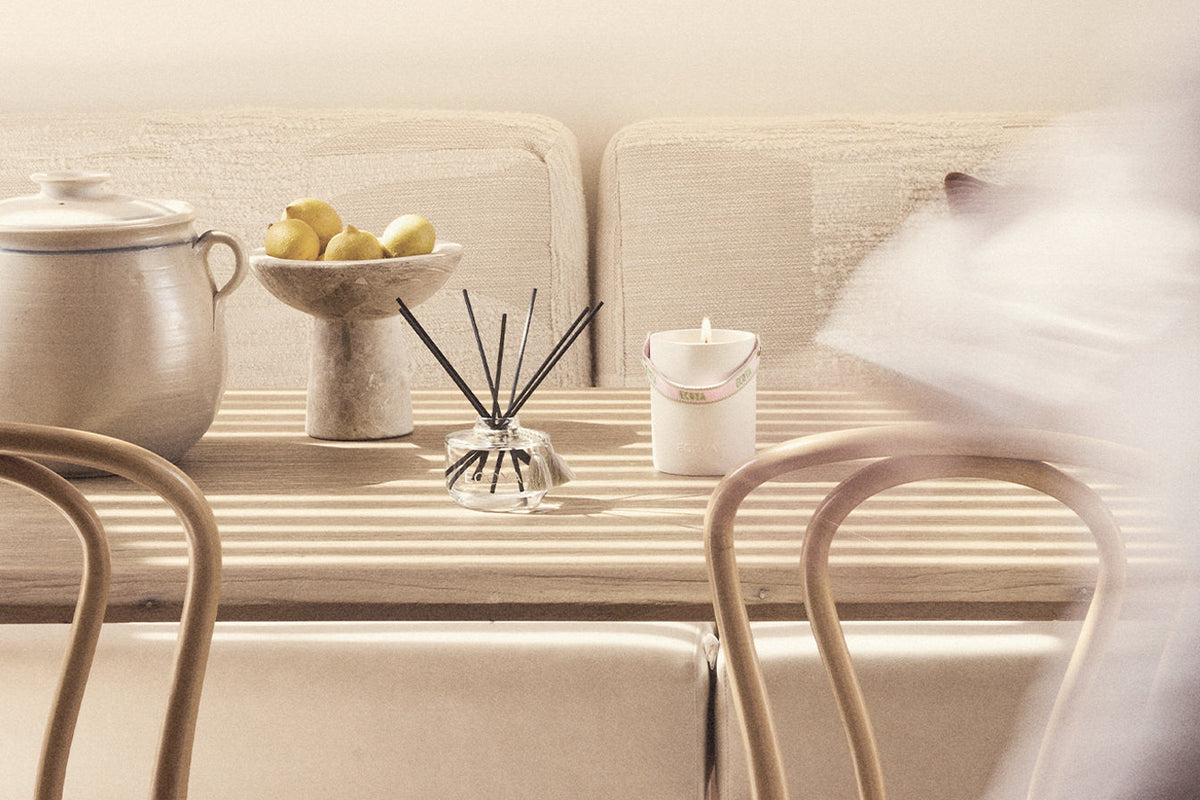
It might look like creating spaces in your home that encourage lingering rather than constant movement. A chair positioned for afternoon light rather than productivity. A table that stays set a little longer after dinner. Materials and objects that age well and invite touch, rather than demand careful preservation.
It can also show up in how we structure our days. Leaving white space in the calendar. Allowing moments to run long. Resisting the urge to fill every pause with distraction. Choosing depth over breadth in how we spend our time.

A Quiet Rebellion
At its core, Il Dolce Far Niente | The Italian Way of Summer is an invitation to reconsider what a good life looks like. Not one built on accumulation or constant motion, but one shaped by presence, pleasure, and ease.
In a world that celebrates busyness, choosing to slow down is an act of intention. Choosing to enjoy, without apology, is a form of quiet rebellion. And choosing to design a life that leaves room for joy might be one of the most meaningful decisions we can make.
Related: 20 Simple Ways to Celebrate the Everyday Moments and Everyday Magic: Finding Joy in the Ordinary



Leave a comment
This site is protected by hCaptcha and the hCaptcha Privacy Policy and Terms of Service apply.