



Designing for Daily Rhythm: Anchoring the Start and End of Your Day
Most of us do not have a morning routine so much as a morning scramble. The alarm goes, the phone comes with it, and by the time the kettle boils we have read three emails and a news headline we did not need. Evenings can be much the same in reverse, sliding from the dinner dishes straight into an hour of scrolling. None of this is a character flaw. It is usually just what happens when the house has not been set up to make anything else easy.
The good news is that the first half hour and the last half hour of the day are the parts most of us have the most say over. A few small changes in the right places can make them feel noticeably different, and none of them involve a new wake-up time or a list of habits to perfect.

Why the two ends of the day matter
How a day begins tends to colour what comes after it, and how it ends shapes how easily you let go of it. There is also a practical reason to focus here. Habits form most readily when the same action happens in the same place, prompted by the same cue, and mornings and evenings are when most of us are reliably in the same rooms doing much the same things. That makes them the easiest parts of the day to design for.
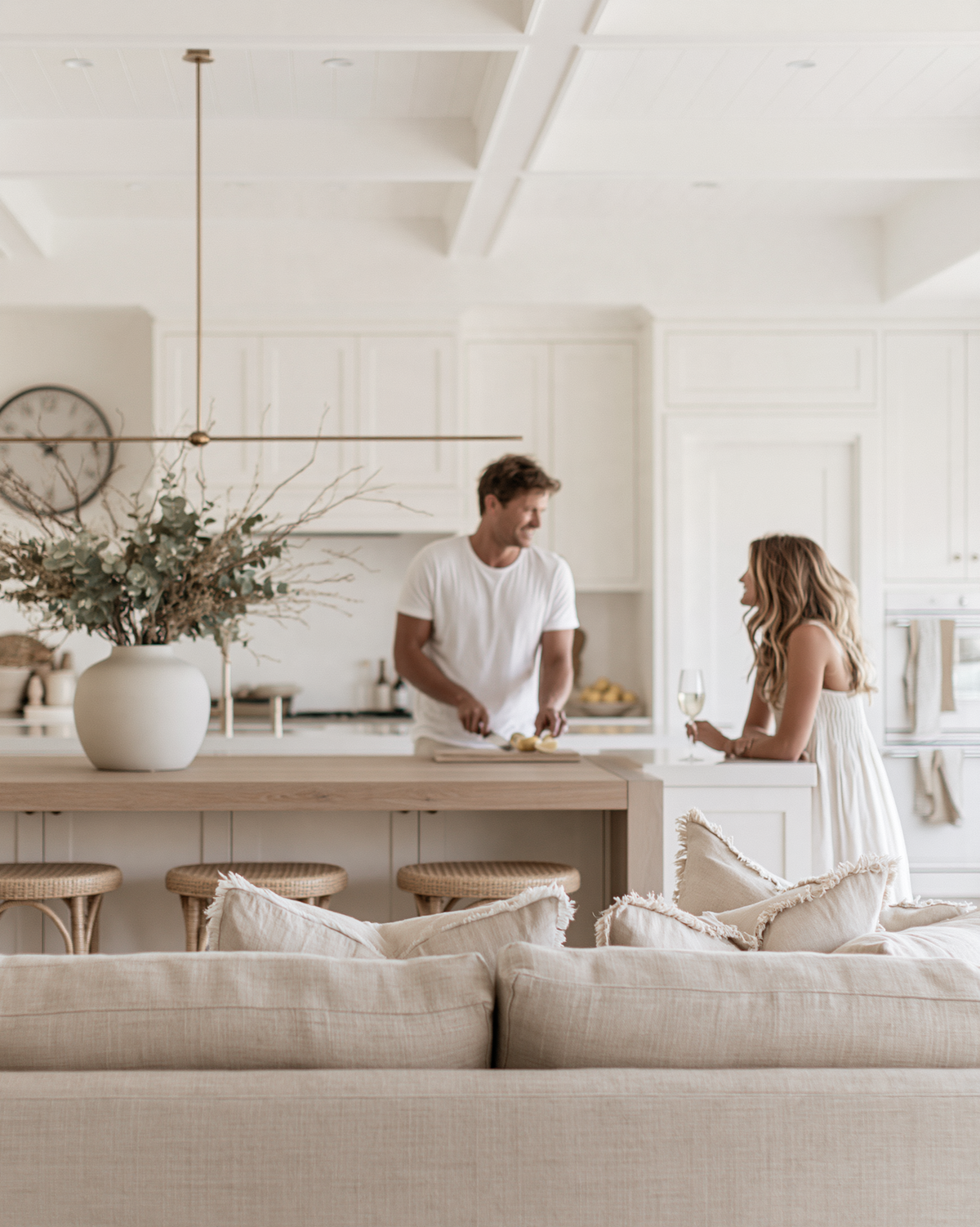
The approach we like is simple: give each end of the day its own small spot in the house, and let the objects in that spot do the reminding for you.
Setting up the morning

Give the morning one surface
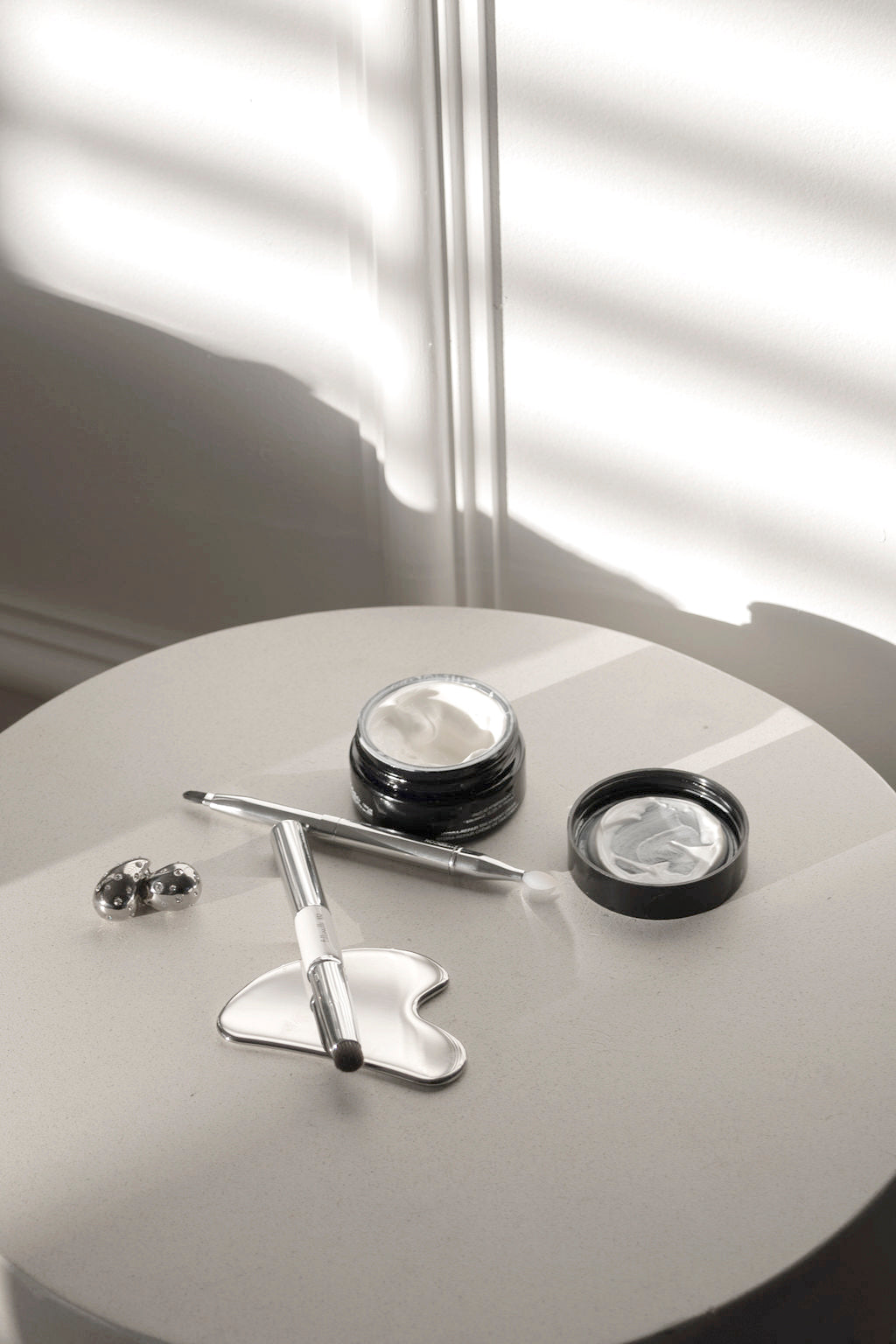
Choose a single spot that belongs to the start of the day. For many people it is a corner of the kitchen bench: the kettle or coffee machine, your mug, and one thing you enjoy looking at. Keep it clear of mail, school notices and chargers, so it reads as the place where the day starts rather than another place to deal with things. A simple white enamel espresso mug left upside down on a small board is all the prompt some of us need.
Let light do the waking

Open the curtains before you open your phone. In summer that is easy, because the light is already there. From June to August it is a different story, and on dark winter mornings a warm lamp or bedside light is kinder than the overhead light. Karlsson designed the Frost Light alarm clock with two light settings so it can double as a night light or a wake-up lamp, which saves reaching for the switch in the dark.
Make the decisions the night before
Mornings go sideways when they are full of small choices. Lay out tomorrow's clothes, put the bag by the door, and leave the lunch boxes on the bench. Each decision made the evening before is one less thing to think about when you are half awake and someone cannot find a shoe.
Setting up the evening

Change the lights, change the pace
Pick a moment that already happens every night, such as the last dish going into the rack, and make that the point where the overheads go off and the lamps go on. It sounds small, but many people find that switching to lower, warmer light is one of the clearest signals in the house that the working part of the day is over.
A bedside table that only holds evening things
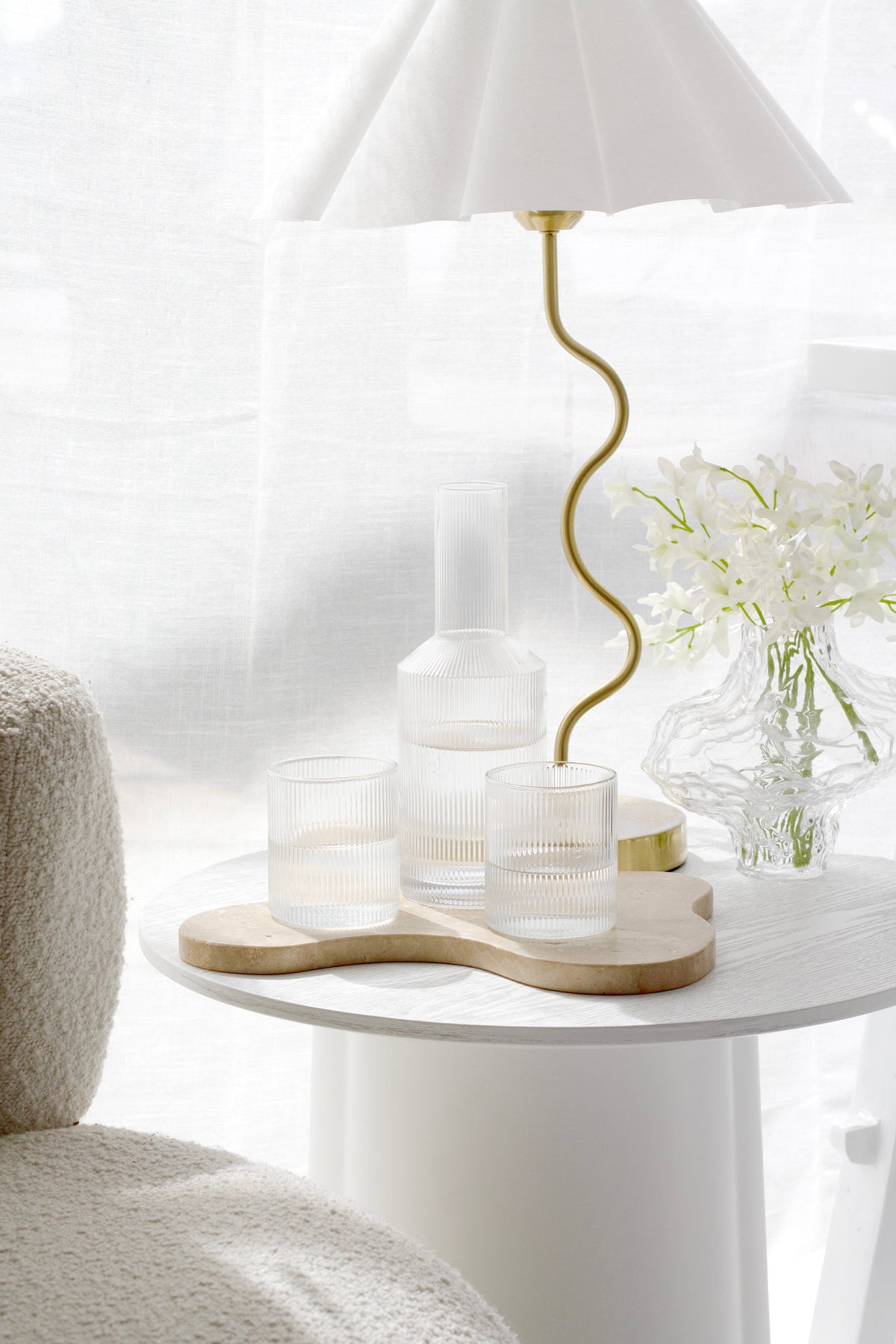
A bedside table tends to collect everything: receipts, hair ties, the charger, last week's library book. Clear it back to the few things you actually use at night, such as a book, a glass of water, hand cream and a clock, and give them a tray so they look like they belong together. The Zakkia Terrazzo Round Tray in Seashell is a warm neutral that suits most bedrooms and makes the edges of the collection obvious, which helps it stay tidy.
Keep one scent for the evening

Many people like to keep a particular scent for the end of the day, so that it comes to mean the day is done. That might be a candle lit in the lounge while you read, such as an Ecoya Madison Jar candle in the mini size, or a light mist over the pillow from The Aromatherapy Co's lavender and clary sage room and linen spray. Always blow a candle out before you leave the room or head to bed.
Charge the phone somewhere else
If there is one change worth making, it is this one. Charge your phone in the kitchen or the hallway overnight. It removes the last scroll before sleep and the first one on waking, and it is the reason a proper alarm clock on the bedside table earns its place. For more ideas on the end of the day, our guide to designing a wind-down ritual goes into the evening in more detail.
Adjusting through the year

Here in Mount Maunganui, summer mornings are light early and evenings stretch out long past dinner, so the lamp moment might not arrive until well into the evening. In winter the whole thing shifts: mornings are dark, and the lamps go on before the dinner is served. Rather than tying your cues to a clock time, tie them to something that happens regardless of the season, like finishing breakfast or clearing the table. The routine then moves with the light instead of fighting it.
Frequently asked questions
How long does it take for a new routine to feel automatic?
It varies a lot from person to person and from habit to habit. Research on habit formation suggests it often takes weeks to a few months of repetition in the same setting. Keeping the steps small and the cue consistent matters more than getting it perfect every day.
What if every morning in our house is different?
Anchor the routine to an action rather than a time. "When the kettle goes on, the curtains open" works just as well at six as at eight, on a school day or a Saturday.
Do I need to buy anything to do this?
No. A cleared corner of the bench, a lamp you already own and a phone charger in a different room will do most of the work. The pieces we have mentioned simply make those spots more pleasant to come back to.
In Short
You do not need a perfect routine to have better mornings and evenings. Give each end of the day one spot in the house, let light and a few familiar objects do the prompting, make tomorrow's small decisions tonight, and keep the phone out of the bedroom. Start with one of these, keep it up for a few weeks, and add the next when it feels easy.
Related: Designing Your Day: Gentle Morning and Evening Rituals for a More Grounded Life




Leave a comment
This site is protected by hCaptcha and the hCaptcha Privacy Policy and Terms of Service apply.