

20 Simple Ways to Transform Your Home (Without a Renovation)
You do not need to knock down walls, replace the kitchen or start again with all-new furniture to change the way your home feels.
Some of the most effective transformations are much smaller. Moving a chair towards the light. Clearing a surface that has become crowded. Replacing a harsh bulb. Bringing a meaningful object out of a cupboard and giving it somewhere to belong.
These changes may not alter the architecture of your home, but they can completely change how you experience it.
Rather than beginning with what you could buy or replace, look at what you could rearrange, remove, soften or appreciate differently.
Here are 20 simple ways to transform your home without renovating, beginning with what you already have.

1. Decide How You Want the Room to Feel

Before you move furniture or buy anything new, decide how you want the room to feel.
Do you want it to be lighter, calmer, warmer, more sociable or more restful? Once you have a clear intention, it becomes much easier to see what needs to change.
A room that needs to feel calmer may benefit from fewer objects, softer lighting and clearer surfaces. A room that feels flat may need more contrast, texture or natural light. A disconnected living area may simply need its furniture repositioned to encourage conversation.
Start with the feeling, then work backwards.
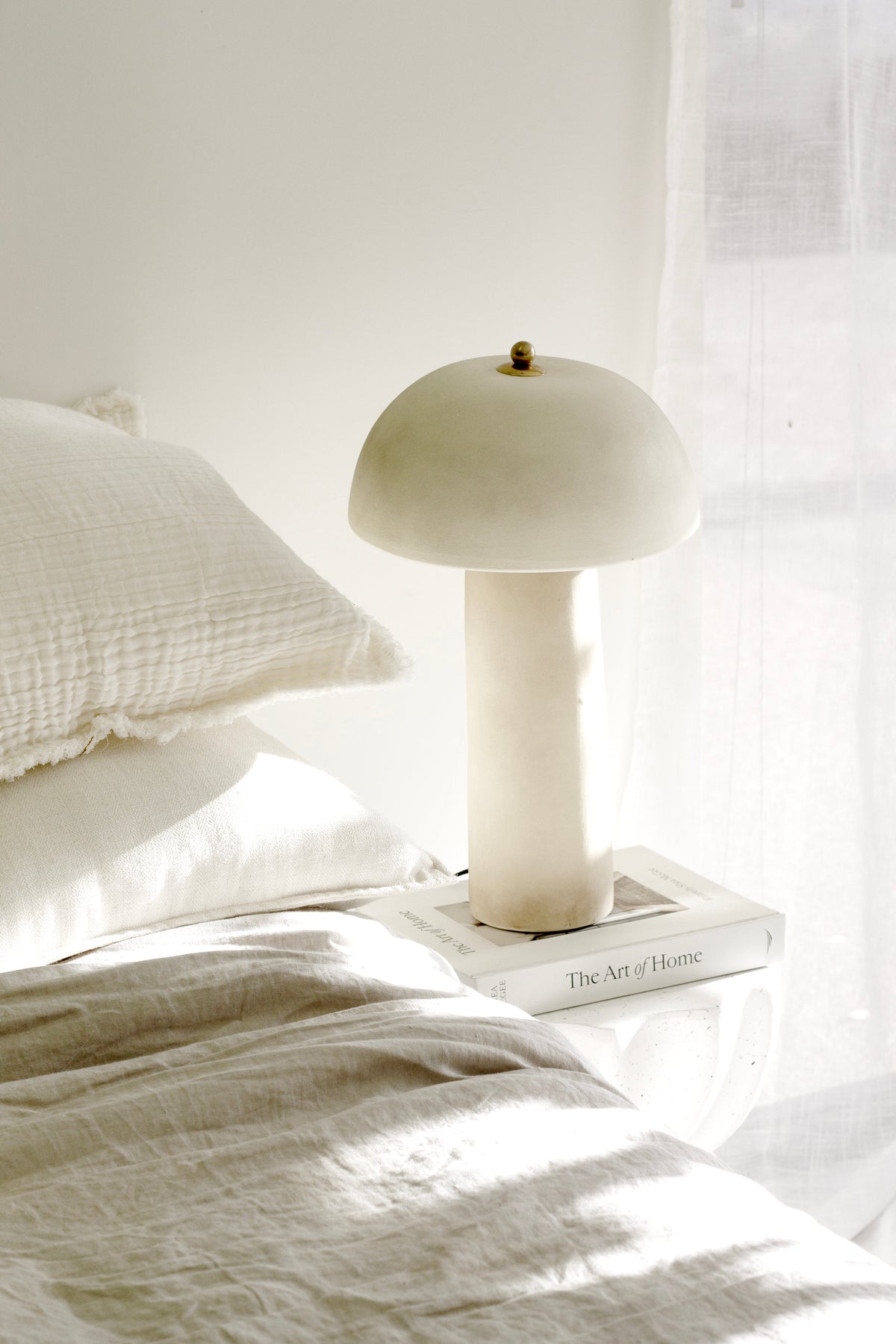
2. Let in More Natural Light

Open curtains and blinds fully during the day and remove anything unnecessarily blocking your windows.
Clean the glass, pull large furniture away from the window and consider whether curtains could be held further to each side. Even a modest increase in natural light can make a room feel fresher and more spacious.
Mirrors can help carry that light into darker areas. Position one where it will reflect a window, garden view or attractive feature rather than a busy or cluttered part of the room.
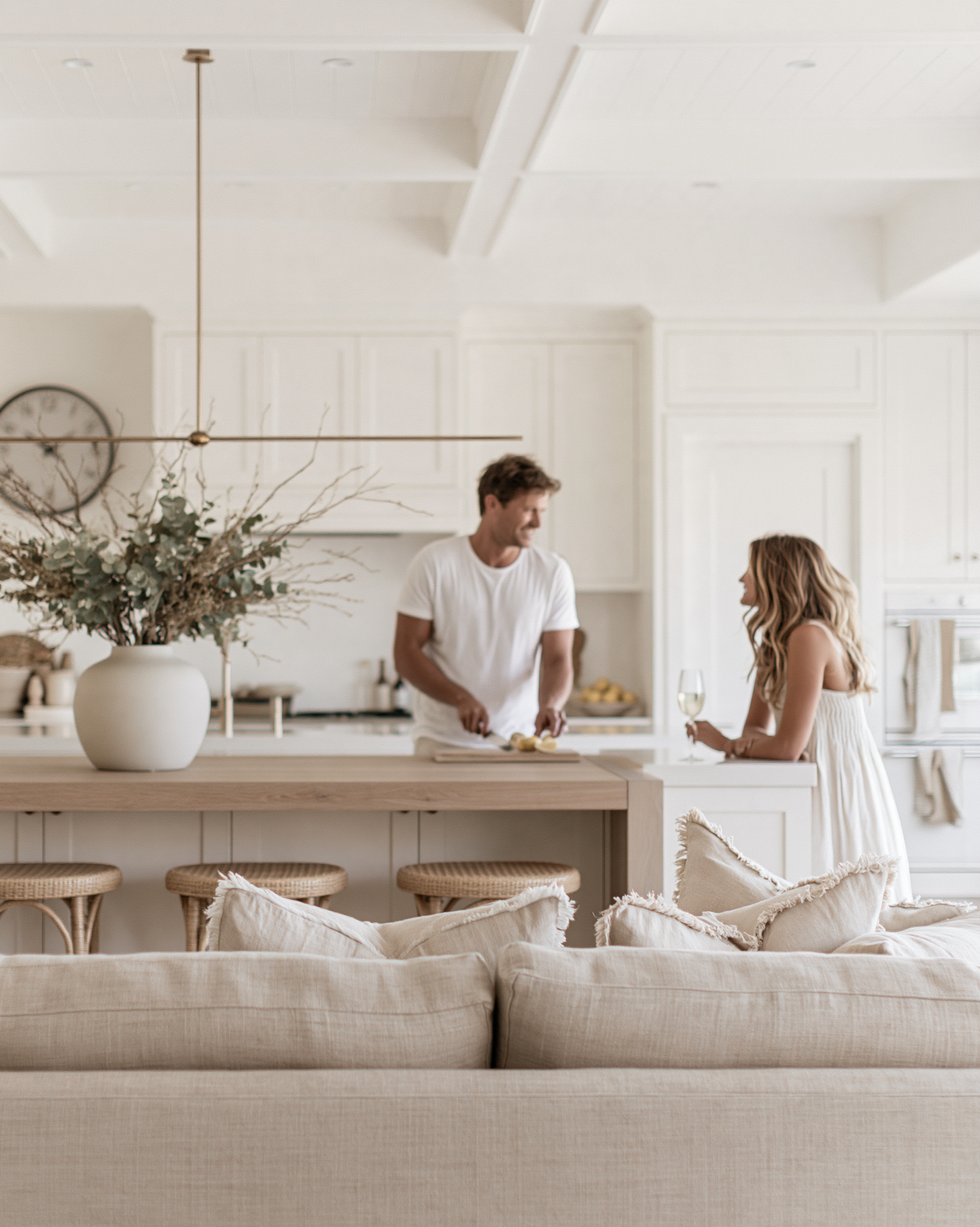
3. Rethink Your Furniture Layout

Furniture often stays where it was first placed simply because we become accustomed to seeing it there.
Try moving the sofa slightly away from the wall, turning an occasional chair towards the main conversation area or repositioning the dining table to make better use of natural light.
Look at how you genuinely use the room. A chair that no one sits in may be much more valuable beside a bedroom window. A side table may work better next to the sofa than at the end of a hallway.
You do not need to move everything. Changing the position of one substantial piece can make the entire room feel different.
Related reading: Room by Room: How to Style for Rhythm, Not Perfection
4. Create Clearer Pathways
A room can contain beautiful furniture and still feel uncomfortable when it is difficult to move through.
Walk through the space and notice where you have to squeeze past furniture, step around objects or change direction unnecessarily.
You may only need to shift the coffee table, remove an unused stool or move a basket away from a doorway.
Clear pathways help a room feel calmer, more generous and easier to live in, even when its dimensions have not changed.
5. Reset Your Entryway

Your entrance is the first part of your home you experience when you return and the last area you see before leaving.
Remove anything that has accumulated without a clear purpose. Give shoes, bags and keys somewhere consistent to live, then add one welcoming detail such as a vase, lamp, mirror, small bowl or framed artwork.
An entryway does not need to be large or elaborately decorated. It simply needs to make arriving home feel considered.
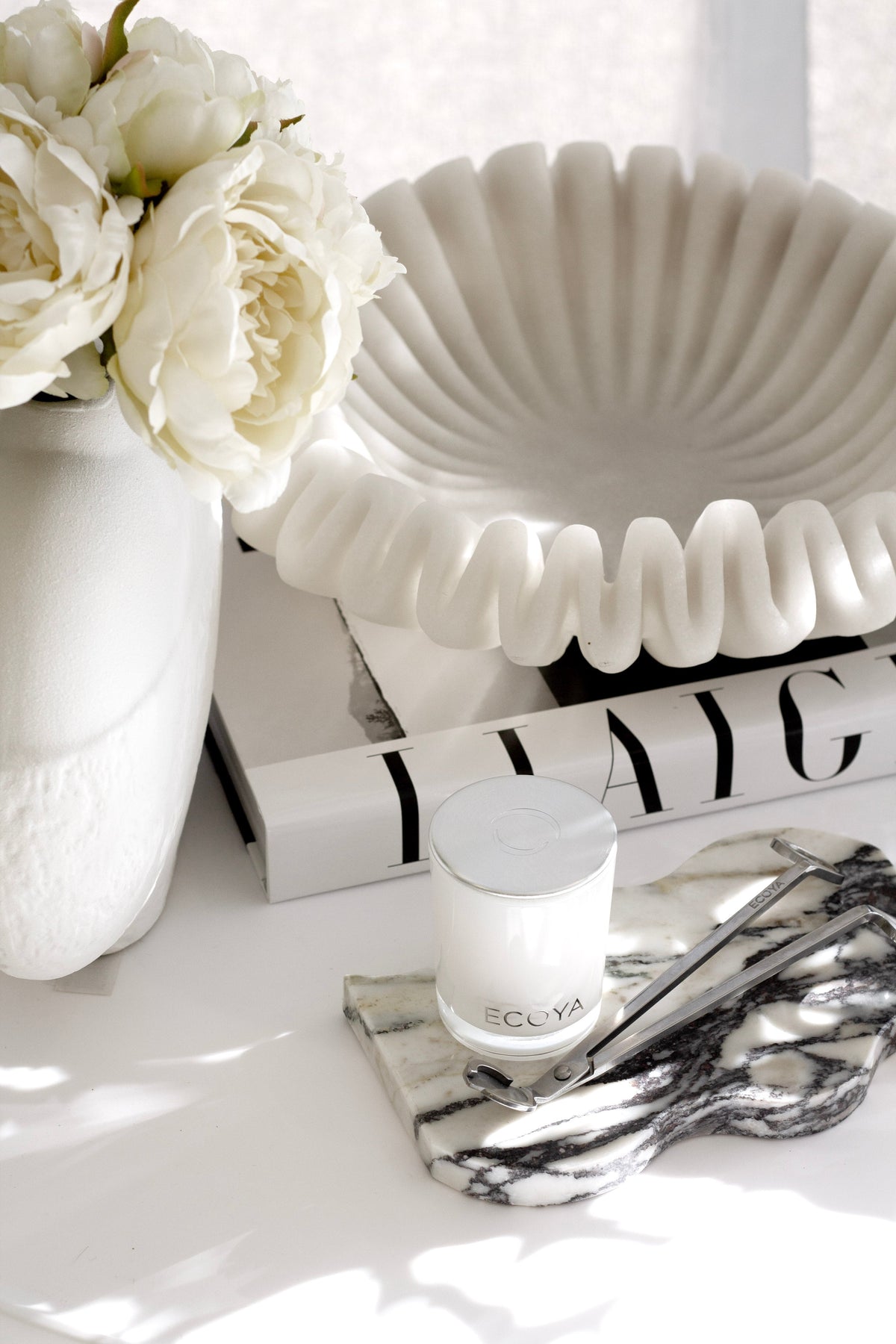
6. Clear One Surface Completely

Choose one surface that has become crowded. It might be the kitchen bench, coffee table, bathroom vanity or bedside table.
Remove everything and clean the surface properly. Before putting anything back, consider whether each item genuinely needs to live there.
Return the functional pieces first, then add one or two objects that make the surface feel inviting. This might be a candle, small vase, stack of books or decorative bowl.
You do not have to declutter the entire house in one weekend. One clear surface can provide immediate visual relief.
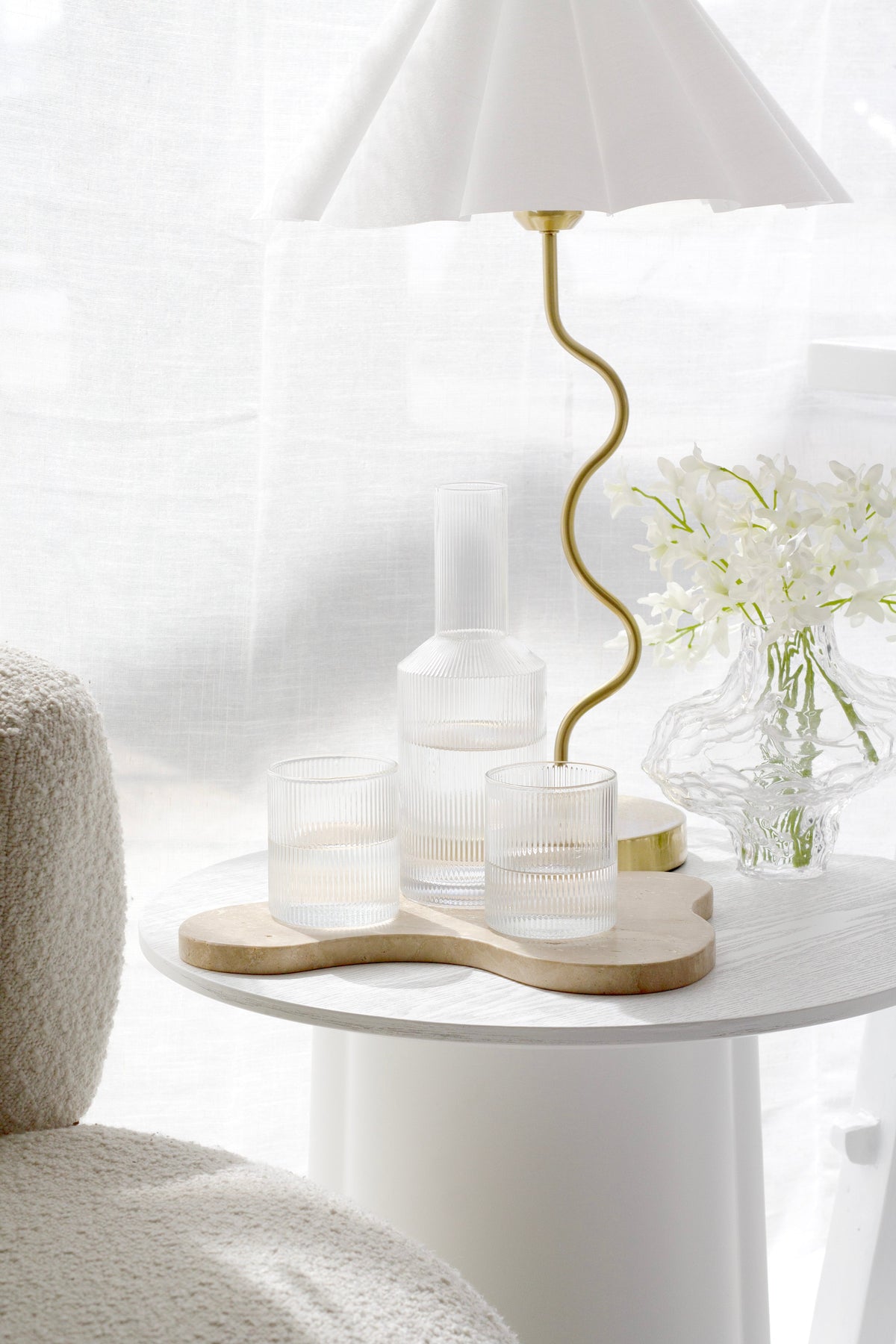
7. Contain Everyday Clutter
Some clutter cannot simply be removed because it belongs to ordinary life.
The solution is often to contain it.
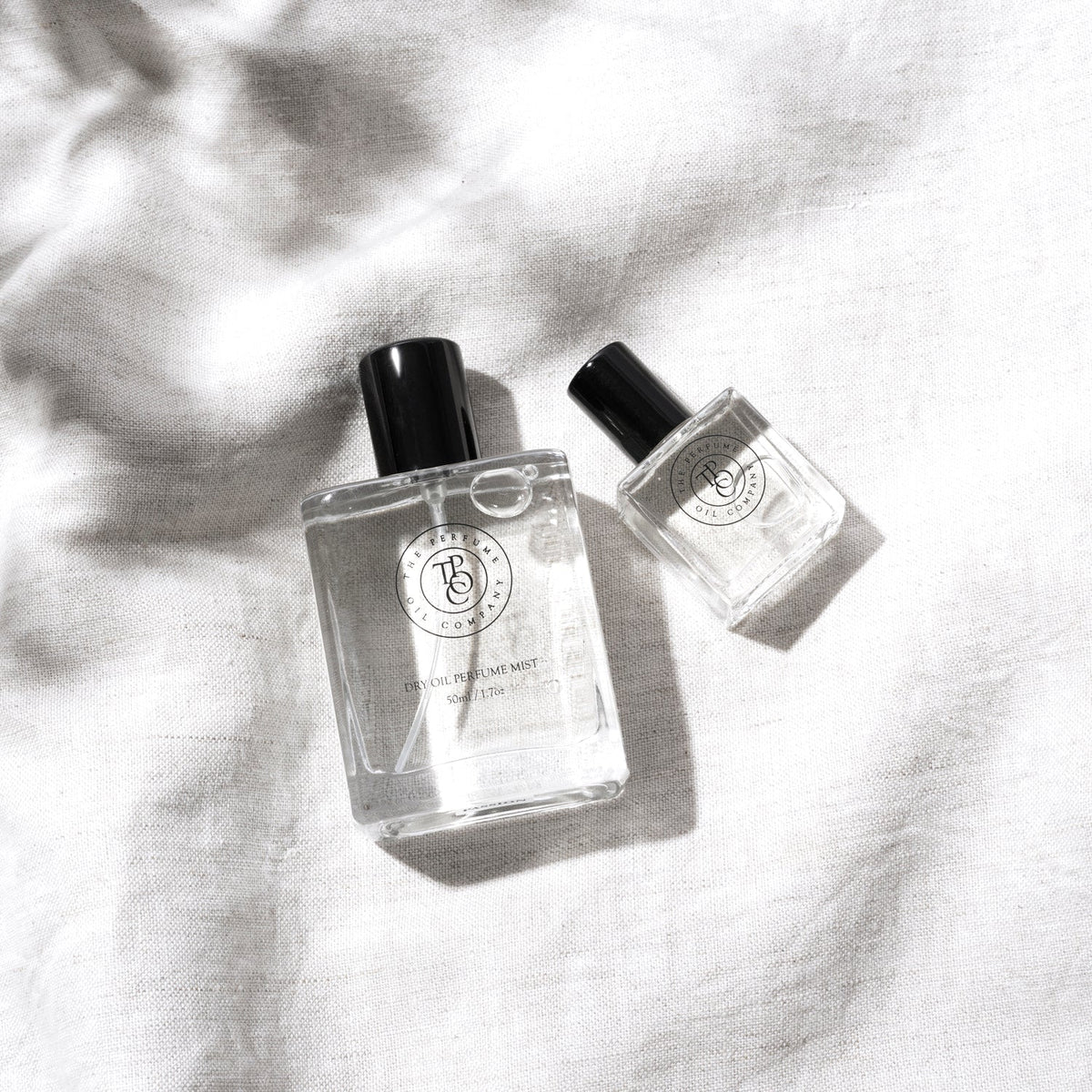
Use a tray for skincare or perfume bottles, a bowl for keys, a basket for throws or a lidded box for chargers and remote controls. Grouping several small objects together makes them read as one organised collection rather than scattered clutter.
Choose storage that is simple to use and suits your existing habits. A system will only improve your home when it works naturally with the way you live.
Explore storage and organisers.
8. Restyle One Shelf

Instead of trying to tackle every shelf or bookcase at once, begin with one.
Take everything off and only return the objects you genuinely want to see. Vary the height and shape of the pieces, include a few books and leave some empty space around them.
Try combining something tall, something smaller, something sculptural and something natural. A trailing stem, ceramic vessel or framed photograph can soften a row of books and give the arrangement more personality.
The aim is not to make the shelf look perfect. It is to make it feel balanced, useful and personal.
9. Simplify Your Colour Story

A home does not need to follow a rigid colour scheme, but repeating a few colours throughout a room can make it feel much more cohesive.
Look at the pieces you already own. You may notice recurring shades of warm white, timber, olive, rust, blue or black. Bring those colours forward and temporarily remove anything that feels distracting.
This does not mean eliminating colour. A cohesive room can contain plenty of it. The difference is that the colours feel connected rather than randomly accumulated.
10. Reconsider Your Art
Art can completely change the balance of a room, particularly when its scale or position is not quite right.
Try lowering pieces that are hanging too high, grouping smaller works together or moving an artwork into a room where its colours relate more closely to the surroundings.
You could also rotate your art occasionally or bring out pieces that have been stored away.
Do not feel obligated to fill every wall. Blank space allows the art you love to carry more presence.
11. Layer Your Lighting

Lighting is one of the quickest ways to change the atmosphere of a home.
Instead of relying entirely on a central ceiling light, create smaller pools of illumination with table lamps, floor lamps, wall lights and candles.
Warm bulbs often feel more restful in living rooms and bedrooms, while brighter task lighting is useful in kitchens, bathrooms and work areas.
Notice where your home becomes dark in the evening. Adding a small lamp to an overlooked corner can make the whole room feel warmer and more complete.
Explore lighting.
12. Refresh Your Textiles

Soft furnishings allow you to change the mood of a room without replacing its main furniture.
Move cushions between rooms, turn a throw to reveal a different texture or layer a lighter cover over existing bedding. Even changing pillowcases, bath towels or tea towels can make a familiar space feel refreshed.
Choose textiles that introduce something the room is missing. That might be softness, pattern, warmth, colour or contrast.
Start by working with what you already own. You may discover combinations you had not previously considered.
13. Add More Texture

Rooms can feel flat when every surface has a similar finish, even when the colours are beautiful.
Introduce contrast through materials such as linen, timber, wool, glass, stone, ceramic, woven fibres and brushed metal. Pair smooth surfaces with something tactile or soft.
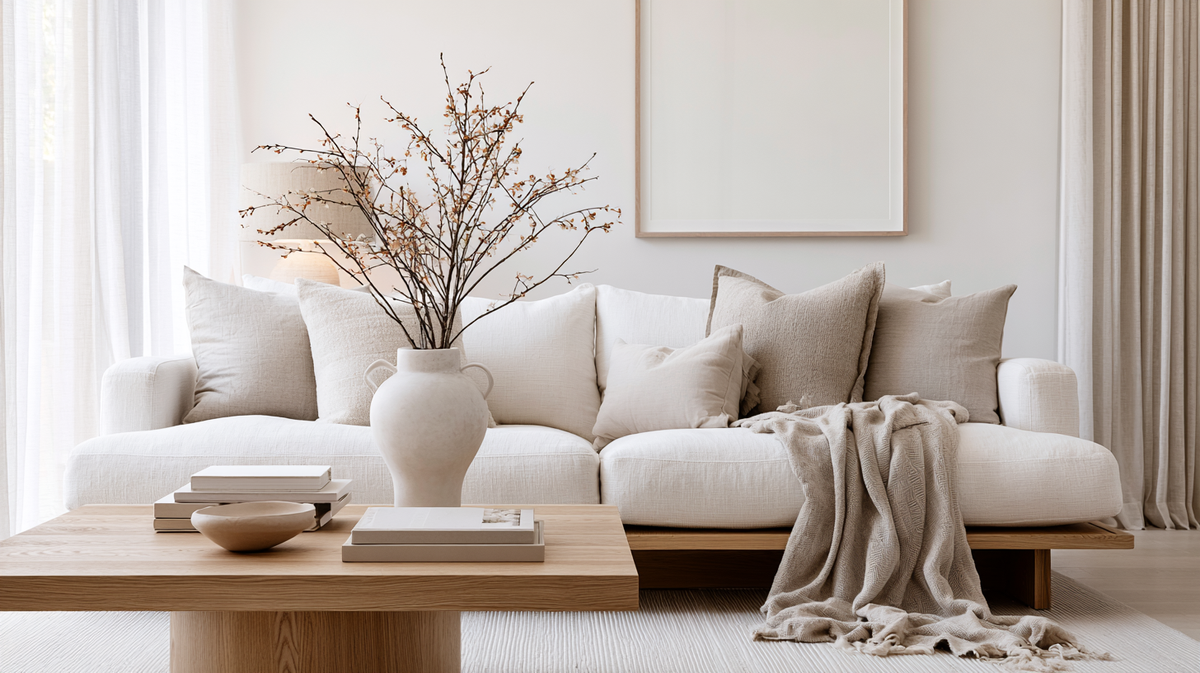
A timber bowl on a stone bench, a linen cushion on a structured sofa or a woven basket beside a painted cabinet can add depth without adding visual noise.
Texture is especially valuable in neutral interiors because it creates interest without relying on strong colour.
14. Bring in Flowers, Greenery or Branches

Natural forms soften straight lines and make a room feel more alive.
You do not need a large floral arrangement. A single branch in a tall vase, a few stems beside the kitchen sink or a small plant on a shelf can be enough.
Use what is available and appropriate for the season. Foraged foliage, herbs from the garden, fresh flowers or realistic faux stems can all introduce shape, movement and colour.
Place them somewhere you naturally pause during the day rather than reserving them for the formal centre of a room.
15. Use Scent to Shape the Atmosphere

The way a home smells contributes to how it feels and how it is remembered.
Choose fragrance according to the room and the mood you want to create. Fresh or herbal scents can work well in kitchens and bathrooms, while woods, amber, vanilla and soft florals can add warmth to living rooms and bedrooms.
Avoid layering too many competing fragrances. A more restrained scent story usually feels calmer and more intentional.
Candles, diffusers and room sprays can also become part of your daily transitions, such as opening the house in the morning or settling in for the evening.
Related reading: The Power of Scent: Designing Atmosphere Room by Room
16. Style With Books

Books introduce colour, personality and history into a room.
Stack two or three beneath a lamp, display a favourite cover on a stand or keep a small collection beside the bed or sofa. In the kitchen, a beautiful cookbook can add warmth while remaining useful.
Choose books that reflect your genuine interests rather than treating them as anonymous decorative objects.
A thoughtfully placed book tells visitors something about the people who live in the home and invites you to slow down and pick it up.
17. Create One Place to Pause
Every home benefits from a place that quietly invites you to stop.
It might be a chair near a window, a cushion in a sunny corner, a comfortable spot beside a bookshelf or a small table where you drink your morning coffee.
Add only what supports the purpose of that space. Perhaps a lamp, blanket, book, side table or favourite mug.
It does not need to become a perfectly styled reading nook. It simply needs to make pausing feel easy.
18. Upgrade the Details You Touch Every Day

Small functional objects can have a surprisingly strong effect because you interact with them repeatedly.
Replace a worn tea towel, move your favourite mug to an easy-to-reach shelf or use a beautiful dish for the jewellery beside your bed. Decant hand wash into a simple dispenser or place everyday utensils in a container you enjoy seeing.
These are not dramatic decorating decisions. They are small reminders that ordinary moments deserve care too.
19. Let Your Home Respond to the Season

Your home does not need a full seasonal makeover, but it can respond gently to changes in temperature, light and daily routine.
During cooler months, bring throws within reach, use warmer lighting and introduce deeper textures. In spring and summer, lighten the bedding, open the windows and simplify crowded surfaces.
You can also rotate books, artwork, cushions and fragrance rather than buying an entirely new collection each season.
Small seasonal changes keep your home feeling alive while helping you appreciate what you already own in a new way.
20. Display More of What Matters to You
The most memorable homes are not necessarily the most coordinated. They are the ones that reveal something about the people who live there.
Bring out the photograph that makes you smile, the object found while travelling, the bowl inherited from family or the artwork your child made.
Give meaningful pieces enough room to be noticed. They do not have to match the rest of the interior perfectly. Their value comes from the story and feeling they carry.
Your home should not only demonstrate your taste. It should hold evidence of your life.
Related reading: The Stories Our Spaces Tell: Designing with Emotion and Memory
Where Should You Start?
Begin with the room that has the greatest effect on your daily life.
Choose one action you can complete today. Open the curtains, move a chair, clear the coffee table or place a few stems beside the sink. Notice how the room feels afterwards before deciding what else it needs.
Transforming a home is rarely about changing everything at once. It is about making a series of thoughtful adjustments until the space feels more supportive, personal and distinctly yours.
Frequently Asked Questions
How can I make my home look better without renovating?
Begin with layout, lighting and clutter. Rearrange furniture to improve the flow of the room, clear crowded surfaces, introduce several sources of light and repeat a simple colour palette throughout the space.
These changes can have more impact than adding more decorative objects.
What is the quickest way to transform a room?
Clear one visible surface and reposition one substantial item, such as a chair, rug, lamp or artwork.
Then introduce one finishing layer, such as flowers, a cushion or a warm light source.
How can I refresh my home on a small budget?
Shop your own home first.
Move artwork, books, cushions, lamps and decorative pieces between rooms. Clean windows and mirrors, rearrange furniture and bring meaningful objects out of storage.
How can I make a small room feel bigger?
Allow as much natural light into the room as possible, keep pathways clear and avoid placing too many small objects on visible surfaces.
Furniture with some visible space beneath it can also help the room feel lighter.
What makes a home feel cohesive?
A cohesive home usually repeats a small number of colours, materials and shapes.
Similar timber tones, recurring accent colours and a balanced mixture of soft and hard materials can connect different rooms without making them look identical.
In Short
You do not need a bigger home, a new aesthetic or an expensive renovation to change how your space feels.
Begin by paying closer attention to the home you already have. Let in the light. Improve the flow. Remove what distracts you. Bring forward the pieces that carry meaning.
Small shifts, made thoughtfully, can transform not only the appearance of a room but the way it feels to live there.

Leave a comment
This site is protected by hCaptcha and the hCaptcha Privacy Policy and Terms of Service apply.