



The Dopamine Effect: How Small Joys Build Greater Happiness
We often think of happiness as a future destination,
something we’ll reach when we finally do more, fix more, achieve more.
But real happiness doesn’t start with the future.
It begins in presence.
In the rhythms of the body.
In the chemistry of small moments.
At the heart of that chemistry is dopamine,
the neurotransmitter most associated with anticipation, reward and motivation.
A quiet current shaping how we move through our days.
And the good news?
You don’t need to change your life to work with dopamine.
You just need to notice the life you’re already living.
Understanding Dopamine
Dopamine isn’t just about fast pleasure or instant gratification.
It’s about small completions, forward momentum, and meaningful satisfaction.
Dopamine is part of what sits behind:
A steady sense of motivation
Emotional flexibility
Energy without anxiety
The ability to enjoy everyday moments
When life is overstimulated (by over-scrolling, hyper-palatable food, or relentless busyness), small pleasures can start to feel flat.
Life feels grey. Restless. Underwhelming.
But when we engage with it more intentionally,
through rhythm, ritual, and natural reward,
we begin to rebuild a mood that is spacious, energised, and quietly joyful.
(Related: 20 Gentle Daily Rituals for a Calmer Home)
How Small Joys Build Lasting Happiness
Every time you complete a task, light a candle, stretch, or enjoy a moment of beauty, you give yourself a small, genuine reward.
Not in an overwhelming, spike-and-crash way,
but in a steady way that creates emotional durability.
Small joys might include:
The feeling of your body waking up during a stretch
Watching sunlight shift through leaves
Completing a small to-do and pausing to acknowledge it
Holding a warm cup of tea with both hands
These are not insignificant moments.
They are micro-doses of wholeness.
They teach your brain to find pleasure in what’s real,
not just what’s next.
5 Ways to Support Dopamine Through Everyday Joy
1. Prioritise Completion Over Perfection
Folding laundry. Sending a text. Closing a browser tab.
Each small win reinforces progress, which feels far more rewarding than waiting for a perfect outcome.
2. Create Micro-Celebrations
Pause after a small success.
Stretch. Smile. Say, “That felt good.”
Tiny celebrations help your brain register that something was accomplished, and worth repeating.
3. Use Natural Sensory Rewards
Warm drinks. Uplifting scents. Fresh air through an open window.
These grounded, embodied moments are the kind most people find steadying.
(Related: Sensory Styling Guide: Designing with All Five Senses)
4. Build Rituals Into Your Day
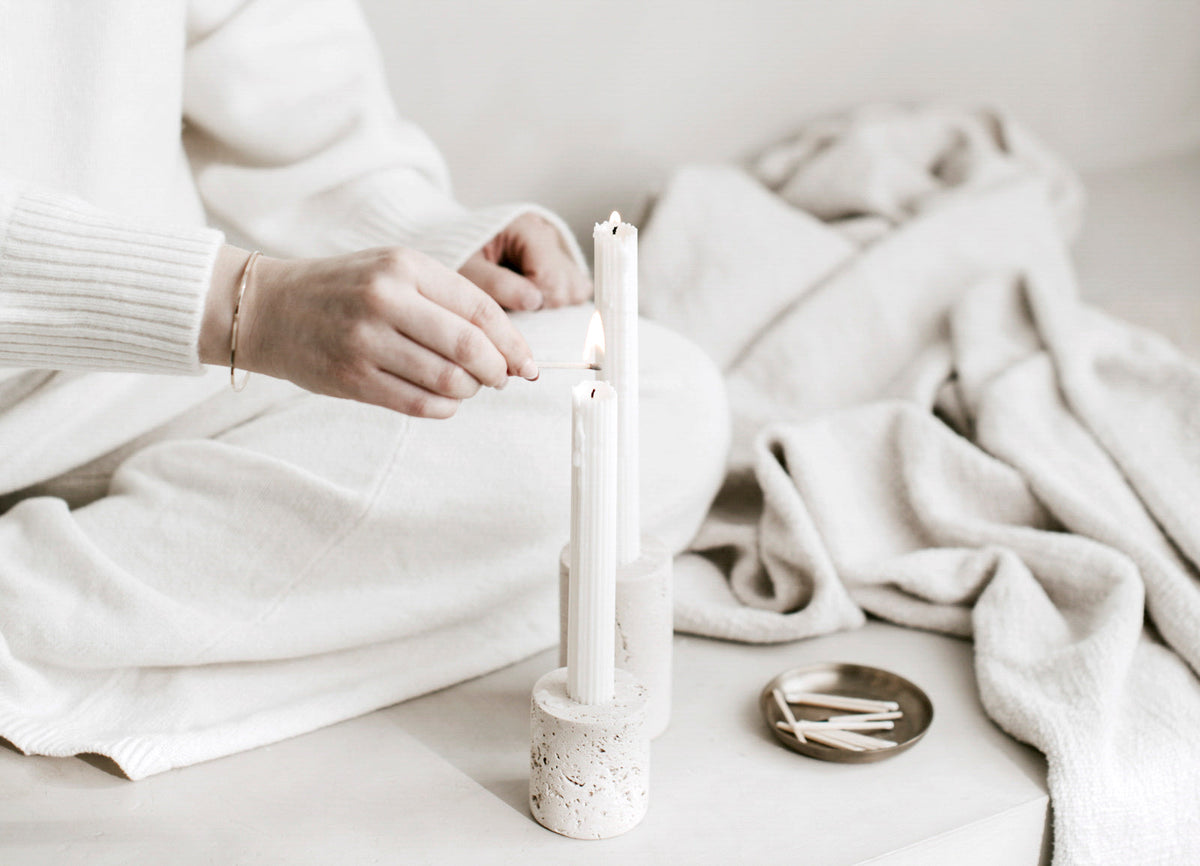
Light a candle while making breakfast.
Stretch before sleep.
Rituals with rhythm and repetition are settling, and they give you something small to look forward to.
5. Let Anticipation Do Some of the Work
Looking forward to a slow cup of coffee or a walk after work can activate dopamine before the moment even arrives.
Anticipation is its own form of reward, and a powerful part of the emotional experience.
Why It Works
The world often tells us that joy must be earned.
That we need peak experiences to feel alive.
That happiness should be loud and dramatic.
But lived experience says otherwise.
Dopamine doesn’t need grandiosity.
It needs rhythm.
It needs follow-through.
It needs small pleasures layered into everyday moments.
(Related: The Art of the Weekend Reset: Gentle Rituals to Realign Mind, Body, and Home)

Big Happiness Is Built Quietly
You don’t have to wait for a perfect day.
Or a new job. Or a new version of yourself.
Happiness is already here,
folded into the tea you pour,
the candle you light,
the moment you remember to pause.
Because big happiness isn’t about chasing more.
It’s about tending to the moments you already have.
One at a time.
With care.
With presence.
With joy.



Leave a comment
This site is protected by hCaptcha and the hCaptcha Privacy Policy and Terms of Service apply.